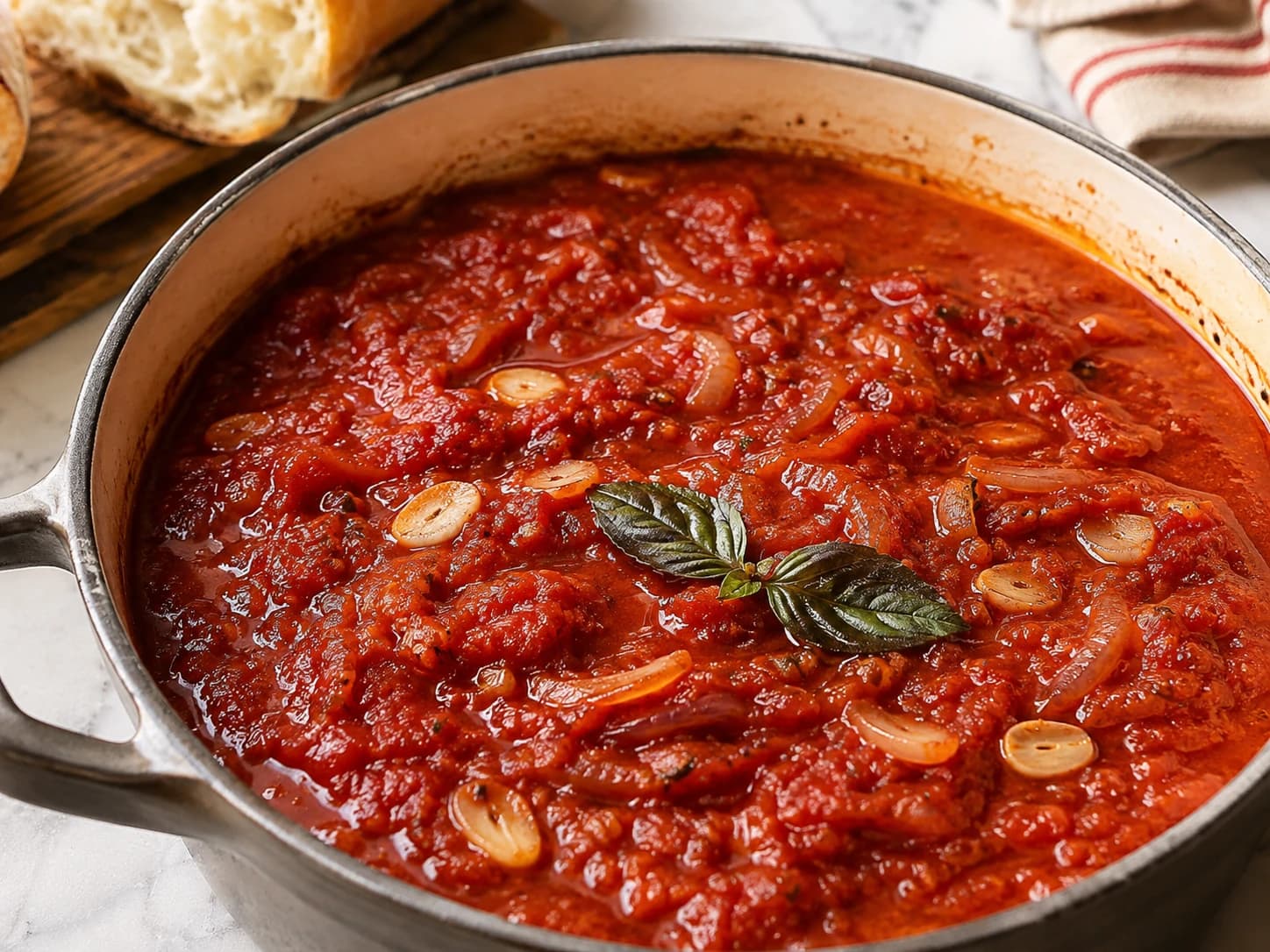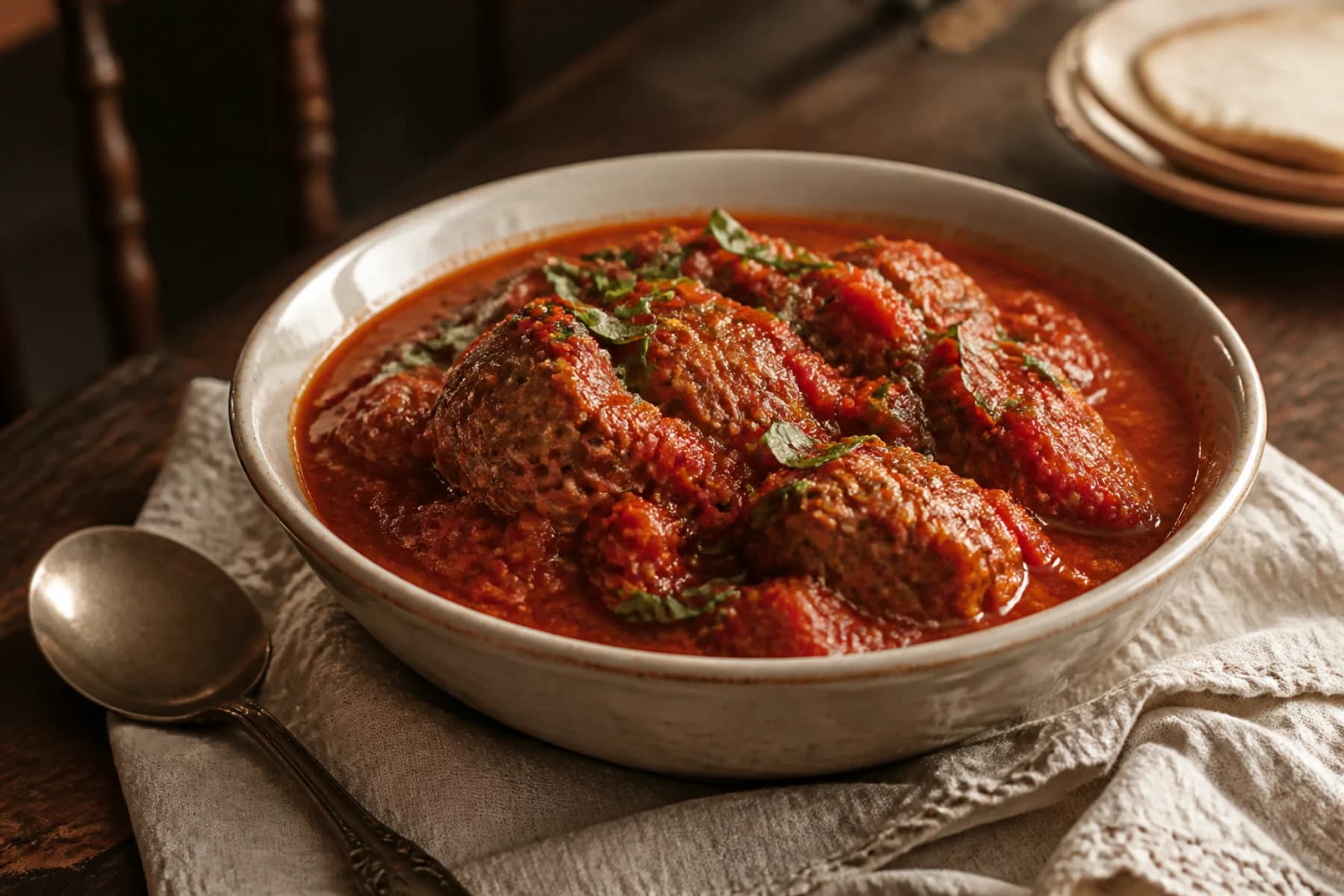
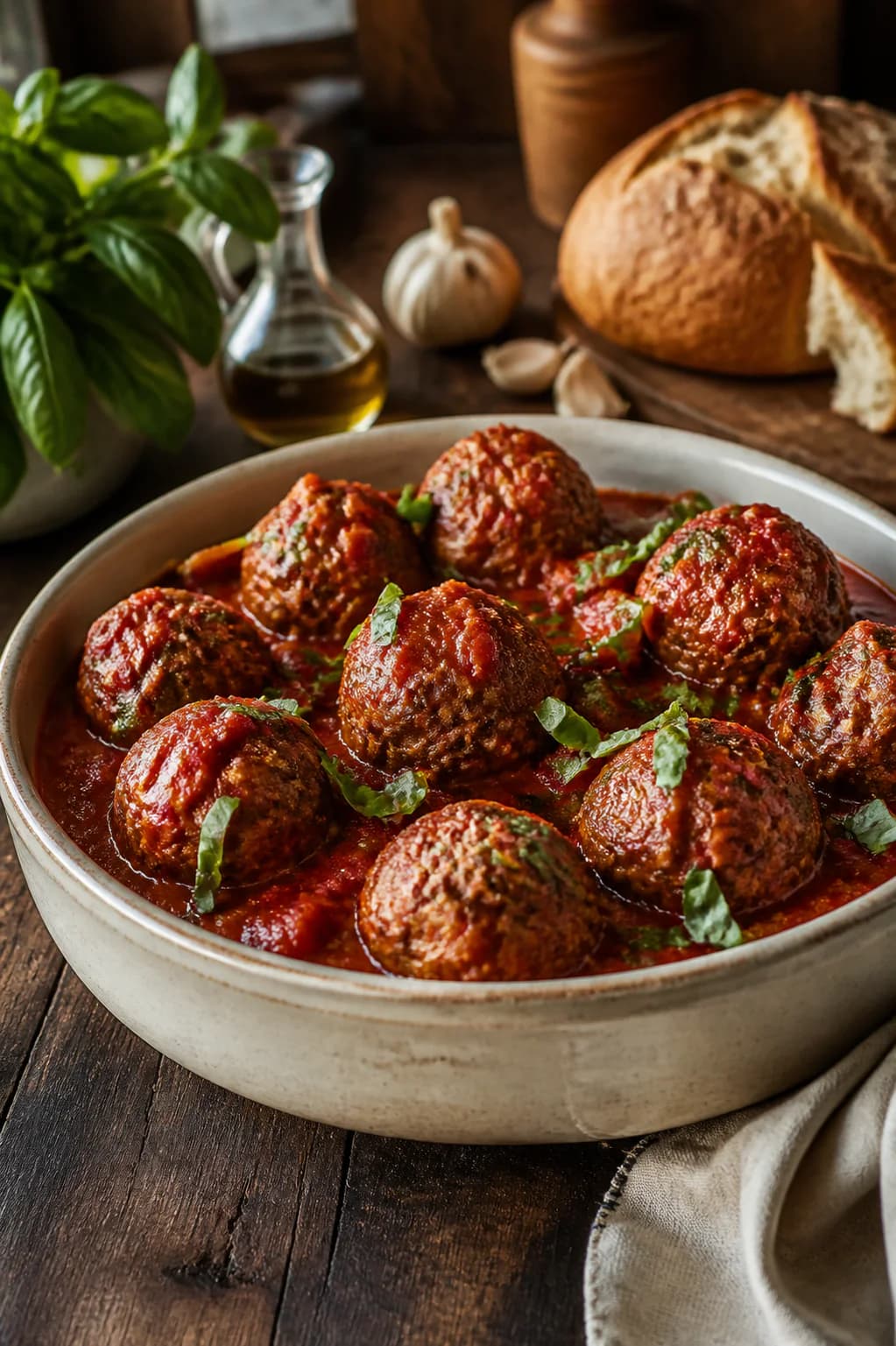
The most valuable cookbook photograph may not be a perfect plate. It may be the flour on somebody’s hands, the dented pan used for forty years, or the note on the back of a card. Photograph evidence and relationships, not only food styling.
A current phone is enough when you use good light, steady framing, original-resolution files, and a deliberate shot list. Take fewer considered images, identify them immediately, and check them at the size they will print.
Before the first shot
- Clean the lens and use the rear camera at its normal focal length.
- Turn off beauty filters and artificial background blur.
- Use window light or open shade; avoid mixed colour sources.
- Ask permission for people, homes, private notes, and publication.
- Keep original files and record names, place, date, and photographer.
1. Build one simple light setup
Place the subject near a large window with direct sun softened by a curtain, or use open shade outside. Turn off strong overhead lights if they create a different colour. Move the subject before buying equipment.
Tap the main subject to focus and lower exposure slightly when white plates or paper lose detail. Brace elbows, lean against a surface, or use a small stand. Take one test, enlarge it, and check blur before the food changes.
2. Photograph the dish for recognition
Make the food look like the family serves it. Remove spills that are accidental, but keep meaningful tableware, portions, garnish, and context. Take a horizontal view for spreads, a vertical view for full pages, a close detail, and one image showing scale.
Choose an angle based on structure: overhead for flat arrangements, 45 degrees for plates and bowls, eye level for layers and tall food. Avoid digital zoom; move closer while maintaining focus.
- Finished dish in its normal serving vessel
- One close texture or cut-open view
- One wider table or kitchen context
- A step that is hard to explain in words
- A utensil or ingredient with family significance
3. Photograph the cook doing something
People often relax when their hands have a task. Photograph kneading, tasting, turning, serving, or explaining a familiar utensil before asking for a portrait. Include both close hands and a wider environmental frame.
Do not surprise somebody with publication. Show a few frames, respect a request to delete, and ask how they want to be named. Children and vulnerable adults require appropriate consent from responsible adults as well as respect for their comfort.
4. Capture cards and notebooks as documents
For readable evidence, place the card on a neutral surface under even light, keep the phone parallel, include every edge, and photograph both sides. Do not use portrait mode or filters. Avoid shadows from the phone and reflections from sleeves.
Take a second contextual image with the card, box, handwriting tools, or person who kept it. The first is for reading; the second is for storytelling. Never let the styled image replace the faithful capture.
5. Preserve quality and identity
Transfer original-resolution files rather than screenshots or compressed chat copies. Keep the untouched original, then edit a duplicate. Correct rotation, crop carefully, and adjust exposure or colour modestly; avoid generating detail that was not captured.
Rename or catalogue images while memory is fresh. Record subject names, dish, place, date, photographer, contributor, permission, and related recipe. A beautiful unidentified kitchen becomes hard to use within one generation.
6. Test the actual print size
Pixels alone do not guarantee a good page. Crop, noise, blur, compression, and printer settings matter. Place images in a sample spread at intended dimensions and print one full-size proof. Check faces, shadows, colour, and whether a caption remains connected to the correct image.
If a cherished file is small, use it smaller with generous space rather than stretching it across a page. Historical value can justify imperfection; honest presentation is better than artificial sharpness.
Phone photography questions
Should I use portrait mode?
Usually not for recipe cards and documentary kitchen scenes because simulated blur can erase edges, utensils, hair, or steam. Use it only after checking the result carefully.
Can I send images through messaging apps?
Many apps compress files. Transfer originals through a method that preserves full resolution, then use smaller copies for discussion.
Do all recipes need food photographs?
No. A meaningful portrait, handwritten source, kitchen, or serving dish may carry more family value. Use images where they add information or memory.
How many photographs should I take?
Capture the planned wide, medium, detail, process, and source views, then stop. Review immediately so you can replace a blurred essential shot.
Photograph what another generation cannot recreate
A polished plate can be made again. A familiar hand, kitchen, annotated card, and worn utensil may not. Give documentary photographs the same attention as the food.